

|
Getting your Trinity Audio player ready...
|
Claim: An Instagram user, Dr Daryl Gioffre, claims corn contains 25 forms of aflatoxins, a cancer-causing fungus/mould.

Verdict: True. The claim that corn can contain cancer-causing aflatoxins is true. This is said to occur naturally, but poor post-harvest handling increases the likelihood of contamination.
Full Text
Corn or maize is a popular snack among Nigerians. Whether boiled, roasted, or turned into various treats, corn is versatile and transcends socioeconomic boundaries and seasons. Its affordability and wide availability, particularly during the rainy season, make it a beloved food staple nationwide.
While corn is a common snack many enjoy, most Nigerians may not give much thought to the type or quality of corn they consume.
On Sept. 5, 2024, an Instagram user, Dr Daryl Gioffre, posted a video, with the caption, “How old were you when you found out that corn actually contains 25 aflatoxins, which are cancer-causing fungus/moulds?”
As of Oct. 10, 2024, the post had garnered over 53,000 likes.
Mr Gioffre’s claim raises concerns about the potential health risks. DUBAWA decided to investigate this because of public health safety.
Verification
According to the National Cancer Institute, Aflatoxins are a group of toxins produced by fungi, particularly Aspergillus flavus and Aspergillus parasiticus, commonly found on crops such as maize, peanuts, cottonseed, and tree nuts. According to the National Cancer Institute, these fungi thrive in warm and humid climates and can contaminate crops both in the field and during harvest and storage.
Humans are exposed to aflatoxins primarily by consuming contaminated plant-based products or animal-derived products, such as meat and dairy, from livestock fed with contaminated feed. Agricultural workers may also be at risk by inhaling dust generated during the handling and processing of these crops.
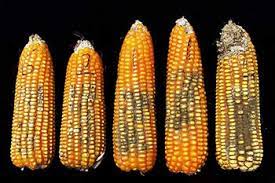
Long-term exposure to aflatoxins poses significant health risks. According to Biomedcentral, Aflatoxin B1 is the most dangerous of the aflatoxins, it is highly carcinogenic and has been linked to hepatocellular carcinoma, a form of liver cancer. The carcinogenic effect of aflatoxins, particularly AFB1, is intensified in individuals infected with the hepatitis B virus (HBV). Aflatoxins have also been associated with other types of cancer and organ damage, especially to the liver and kidneys.
In addition to their carcinogenic effects, aflatoxins are mutagenic, meaning they can alter DNA, and are genotoxic, which could potentially cause birth defects, as noted by Ambiotec Solutions. They also suppress the immune system, making individuals more susceptible to infections like HIV or tuberculosis. Prolonged exposure can lead to immunosuppression, compromising the body’s ability to fight off diseases. Acute exposure to high levels of aflatoxins can cause aflatoxicosis, a potentially fatal condition due to severe liver damage.
The World Health Organization (WHO) reports that large doses of aflatoxins can lead to immediate death, while long-term exposure to smaller doses may result in immune system impairment or nutritional deficiencies.
In summary, aflatoxins are potent toxins that pose severe health risks, ranging from liver cancer to immune suppression, and require careful management to minimise human exposure.
Experts Speak
A dietician, Emmanuel Oyebamiji of the University of Kwazulu-Natal, South Africa, confirmed the presence of aflatoxins in corn, emphasising the health risks associated with poor post-harvest practices. Although he could not confirm the exact levels of aflatoxin in corn, Mr Oyebamiji noted that maize often contains no fewer than 20 parts per billion (ppb) of the harmful toxin.
Mr Oyebamiji said the presence of aflatoxins is closely linked to poor sanitation practices during harvesting and post-harvest handling.
“It occurs naturally, but poor handling exacerbates the problem,” Mr Oyebamiji explained. “Farmers should ensure that maize is harvested at moisture levels between 20% and 30%. When properly handled and the seed is not broken, aflatoxin cannot develop. Contamination often results from wet or contaminated packaging materials.”
He further warned that cooking methods like roasting or boiling are insufficient to eliminate aflatoxins. “Some people believe that cooking reduces aflatoxin levels, but it doesn’t kill the toxin, only reduces it. Aflatoxin is a known risk factor for cancer.”
To prevent contamination, he recommended stringent sanitation practices for equipment and storage facilities.
“The first step is cleaning all harvesting, handling, and drying equipment, as well as storage bins, to remove any broken corn, dust, or foreign materials that could cause contamination. Farmers should also ensure storage bins are repaired to prevent moisture leaks and use approved insecticides to treat storage areas.”
A medical doctor, Omobolanle Braihmoh, highlighted the dangers of consuming food with 25 parts per billion of harmful toxins, emphasising that it poses a significant risk for diseases and fungal infections. She explained that consuming foods intended for cooking in their raw state can lead to health complications.
“No food meant for cooking should be consumed raw by humans. While some farmers argue that eating food raw retains more nutrients, the risk of fungal infection is high when foods meant to be cooked are consumed raw,” she said.
Conclusion
The claim that corn can contain cancer-causing aflatoxins is true. Aflatoxins, which are produced by fungi, pose serious health risks, including liver cancer, immune suppression, and even death. Poor post-harvest handling increases the likelihood of contamination, and cooking methods such as boiling or roasting do not totally eliminate the toxins.